

Your Elevator Feels Old? Here’s How Modernization Fixes It
Elevator modernization is the comprehensive upgrade of existing elevator systems to improve performance, safety, and energy efficiency without replacing the entire hoistway structure. It works by installing new controllers, motors, cab interiors, and safety components while reusing the existing shaft and guide rails. The process delivers smoother rides, faster door operations, and lower maintenance costs for building owners. Implementation typically follows a phased approach to minimize downtime, starting with the machine room and progressing to the cab and signal fixtures.
Why Upgrade a Vertical Transport System Now
Upgrading a vertical transport system now specifically addresses escalating operational friction. Aging components increase downtime and repair frequency, directly impacting tenant satisfaction and building efficiency. Modernization replaces obsolete machinery with permanent magnet motors and regenerative drives, cutting energy consumption significantly. A key insight is
modern controllers dramatically reduce wait times by optimizing car dispatching based on real-time demand.
This investment immediately enhances daily traffic flow, eliminates unpredictable service interruptions, and improves ride quality through smoother acceleration and deceleration. Delaying means continuing to pay for inefficient, unreliable service that frustrates users and inflates long-term maintenance budgets. Modernizing elevators now resolves chronic performance issues that degrade a building’s core functionality.
Hidden Costs of Aging Lifts
Aging lifts incur hidden costs that silently erode budgets. Frequent breakdowns demand expensive emergency callouts and replacement parts, which become scarce and costly for obsolete models. Unplanned operational downtime disrupts tenant productivity and retail revenue, a direct financial drain. Higher energy consumption from inefficient motors and controls compounds monthly utility bills. Insurance premiums often escalate as insurers factor in the heightened liability risk of dated safety mechanisms. Q: What is the most overlooked hidden cost? A: The cumulative loss of building value from a reputation for unreliable vertical transport, making lease renewals harder.
Regulatory Compliance and Safety Mandates

Upgrading your vertical transport system is often driven by outdated equipment no longer meeting current regulatory compliance standards. Modernization directly addresses safety mandates by replacing obsolete mechanical governors, overspeed brakes, and door interlocks that risk failing code-required inspections. Adhering to these mandates prevents system lockouts due to non-compliance, which can halt operations. Furthermore, integrating new controllers ensures the elevator meets mandated fire recall and seismic protection protocols without requiring costly site modifications.
- Compliance mandates require replacing non-code-compliant hydraulic jack and cylinder safety devices.
- Safety mandates demand automatic rescue devices and battery backup for emergency operation.
- Regulatory standards enforce door reopening sensors and gap reduction to prevent entrapment.
Tenant Satisfaction and Building Value
Upgrading your vertical transport system directly boosts tenant satisfaction by slashing wait times and eliminating jarring, unreliable rides. A modern, quiet cabin with clear floor indicators conveys professionalism, justifying higher rents and strengthening lease renewals. This tangible improvement signals proactive building management, which enhances your property’s market reputation and long-term asset appreciation. Tenants perceive a smooth, efficient elevator as a core amenity, making your building a preferred choice in a competitive market. Satisfied tenants stay longer, reducing turnover costs and stabilizing income, which directly elevates the building’s overall valuation.
Modern elevators drive tenant satisfaction through reliability and comfort, which in turn increases building value by supporting premium rents and long-term occupancy.
Core Components of a Modern Vertical Transit Solution
When modernizing an elevator, the core components of a modern vertical transit solution focus on swapping out the brains and brawn. A smart controller replaces old relay logic, enabling faster floor calls and smoother rides. The drive and motor get upgraded to a VVVF (variable voltage variable frequency) system, which saves energy and stops the car gently. You’ll also likely replace the door operator with a sealed, programmable unit for quieter, more reliable openings. Pair this with a modern display panel and sleek cab finishes, and your outdated lift becomes a responsive, efficient machine without needing a full hoistway overhaul.
Machine Room-Less Technology and Its Impact
Machine Room-Less (MRL) technology eliminates the separate machinery room by integrating the hoist machine, controller, and governor into the hoistway itself. This directly impacts modernization by freeing up valuable building space previously occupied by a dedicated machine room, which can be repurposed for rentable square footage or building amenities. The compact, gearless permanent magnet motor also reduces energy consumption and mechanical noise compared to traditional systems. However, the confined hoistway environment complicates service access, requiring technicians to work on the car top or in the pit for maintenance. MRL modernization often necessitates structural reinforcement of the hoistway headers to handle the load of the integrated machine, a critical engineering step that cannot be skipped.
Q: Does retrofitting an MRL system always require hoistway modifications?
Yes, because the machine mounts directly to the overhead beam or side rails, and existing steelwork rarely has the necessary load capacity or alignment points without reinforcement.
Advanced Control Systems and Destination Dispatching
Modernizing elevators often involves replacing antiquated relay logic with advanced destination dispatching. These systems group passengers traveling to the same floor into a single cab, reducing travel time and congestion. Instead of pressing up or down, users input their floor on a lobby kiosk, which assigns them a specific car. This eliminates empty trips and multiple stops. The control algorithms optimize car assignments in real-time based on traffic patterns, making batch processing of calls more efficient than conventional collective control.
| Traditional Control | Advanced Destination Dispatching |
|---|---|
| Passengers press floor buttons inside car | Passengers select floor at kiosk before boarding |
| Car may stop at every floor en route | Car consolidates passengers with same destination |
| Response time high during peak traffic | Reduces peak wait times by 30–50% |
Regenerative Drives and Energy Recovery
Regenerative drives in modernized elevators capture kinetic energy during braking and convert it into electricity, feeding it back into the building’s grid. This energy recovery can slash motor room heat and reduce total power consumption by up to 30%. Unlike traditional systems that dissipate energy as heat, these drives turn every stop into a net gain. Smart grid feedback allows surplus power to offset lighting or HVAC loads.
Q: How does energy recovery change elevator operation?
A: It eliminates resistor banks, cuts cooling costs, and repurposes braking energy—smoother deceleration and lower electricity bills go hand in hand.
Financial Aspects and Planning Your Upgrade
Before starting your elevator modernization, establish a realistic budget that accounts for both equipment and extended downtime. The upfront cost is significant, but you should weigh it against escalating repair bills and lost tenant revenue from an aging system. Financing options like equipment leasing or energy-performance contracts can distribute the expense, while phased modernization spreads capital outlay over several fiscal years. A critical step is calculating your return on investment: modern cabs and smoother rides often justify higher lease rates. Even a modest reduction in energy consumption can offset the monthly payment within two years. Finally, plan for a temporary service disruption fund—covering alternative access or freight logistics—to maintain cash flow during installation.
Budgeting for a Full vs. Phased Modernization
Choosing between a full or phased modernization fundamentally dictates your capital outlay and cash flow strategy. A comprehensive upgrade budget covers simultaneous replacement of controllers, machines, doors, and cab interiors, typically commanding a higher upfront cost but reducing total long-term expense. A phased approach distributes expenditure over multiple years, allocating dedicated funds per phase—like prioritizing drive overhaul in year one and cab fixtures in year two—which eases immediate financial strain but may incur premium costs on later phases due to component availability shifts. Your budget must explicitly account for potential interim repairs in phased plans and any hidden infrastructure remediation costs common to both strategies.
- Allocate 15–30% contingency for unexpected hoistway or power supply issues, regardless of approach.
- Phased budgets require separate line items for each stage to prevent fiscal overlap.
- Full modernization budgets should include dispatch algorithm licensing fees not present in phased scopes.
Available Incentives and Tax Benefits
Modernizing your elevator qualifies for valuable tax deductions and utility rebates that directly lower your upgrade costs. The U.S. federal government offers a Section 179 deduction, allowing you to deduct the full purchase price of qualifying equipment in the year it is placed into service. Many state and local utilities provide specific rebates for installing energy-efficient drive systems or LED cab lighting, reducing upfront capital expenses. You can also explore accelerated depreciation schedules for safety-enhancing components. Do not leave money on the table.

- Section 179 tax deduction for full equipment cost in the same tax year
- Utility rebate programs for installing VVVF drives or energy-saving motors
- Accelerated depreciation on modernization components that improve accessibility
- Property tax abatements in certain municipalities for upgrading to ADA-compliant cabins
Calculating Return on Investment Through Efficiency
In modernizing your elevator, calculating return on investment through efficiency transforms energy savings into tangible profit. Start by measuring current annual power consumption versus projected usage of a regenerative drive or LED cabin lighting. Multiply kilowatt-hour savings by your local utility rate to reveal direct operational cuts. Factor in reduced maintenance from efficient components—fewer motor repairs mean longer service intervals. Pair these annual gains with upfront modernization costs, then divide to see your payback period in years. For example, replacing an old motor might recoup costs in under three years via lower electricity bills alone.
| Efficiency Upgrade | Annual Savings | Payback Period |
|---|---|---|
| Regenerative drive | ~$2,500 | 2–4 years |
| LED cabin lighting | ~$600 | 1–2 years |
Navigating the Installation Process with Minimal Downtime
Successful elevator modernization hinges on a phased, zone-by-zone strategy that keeps cars running while installing new components. By pre-fabricating controller cabinets off-site and using temporary barriers, teams can swap drive systems and cabling during off-peak hours, often overnight. The core question is: How can you replace a machine room drive in under 48 hours EKCNE without affecting occupant traffic? The answer lies in meticulous pre-wiring, where all new connections are terminated at a junction box before the old unit is removed, allowing a hot-cutover during a single weekend. This compressed timeline demands a dedicated logistics plan for staging parts on each floor, ensuring that when the elevator is shut down for its final integration, the downtime is measured in hours, not days.
Pre-Construction Surveys and Site Preparation
A thorough pre-construction survey pinpoints exact shaft dimensions, structural conditions, and utility routing, eliminating surprise delays during elevator modernization. Site preparation then clears the work zone, stages equipment, and isolates power precisely. This upfront mapping alone can cut installation time by days. Protective barriers guard lobbies, while planned material drops keep crews moving. Proper preparation ensures heavy components bypass occupied floors, directly minimizing business downtime.
Staging Equipment and Managing Traffic Flow
To keep downtime minimal, you’ll want to stage equipment and manage traffic flow like a pro. Start by parking all new parts—cables, controllers, door hardware—in a dedicated, secure zone near the hoistway, so your crew isn’t running back and forth. For traffic, use a simple “one car at a time” rule: during core hours, keep at least one elevator running by working on idle shafts after lunch or overnight. Mark off the lobby with stanchions and post clear signs (“Offline for Upgrade”) to guide folks to the active unit. Quick huddles with building management each morning ensure nobody blocks the staging area with deliveries or trash carts.

Testing, Commissioning, and Safety Inspections
After installation, rigorous performance testing begins with a full-load run and emergency brake checks. Commissioning follows a precise sequence to verify all new controllers and doors communicate flawlessly. Safety inspections then proceed methodically:
- Code-required load tests confirm weight capacity
- Fire service recall and phase-two operation are validated
- Landing accuracy is measured to within an eighth of an inch
Each step uses real-time diagnostics to catch faults immediately, preventing re-starts and keeping your building’s downtime measured in hours, not days.
Modern Features That Enhance User Experience
Modern elevator modernization dramatically enhances user experience through intuitive destination dispatch systems, which group passengers by floor to reduce travel time by over 30%. Touchless call buttons using infrared or mobile app integration eliminate physical contact, improving hygiene and accessibility. Real-time cabin occupancy displays and estimated arrival times on landing terminals eliminate guesswork and reduce anxiety. Cabin lighting that dynamically adjusts to natural circadian rhythms can subtly improve passenger comfort during the ride. Advanced voice control allows users to select floors without pressing any buttons, which is especially helpful for those with mobility challenges. Smooth, silent motor drives combined with precision leveling ensure stops are virtually imperceptible, making every trip seamless and dependable.
Touchless Call Buttons and Voice Controls
Touchless call buttons use infrared or motion sensors, so you just wave your hand to summon the elevator—perfect when your arms are full or you’re avoiding surfaces. Voice controls take it further: simply say your floor number, and the car responds without pressing anything. This combo makes rides faster and hygienic elevator interaction effortless. Q: Can voice controls work in noisy lobbies? Yes, modern systems filter out background chatter, so your command cuts through the crowd every time.
Customizable Digital Displays and Infotainment
Modernization introduces customizable digital displays and infotainment that transform idle transit into an engaging experience. Passengers can view live weather updates, building directories, or curated news feeds tailored to the property’s tenants. These systems often allow building managers to schedule content by time of day, shifting from morning announcements to evening art displays. The process to activate this feature follows a clear sequence:
- Select a display size and location within the cab
- Configure the content management system with preferred data sources
- Set access permissions for different user roles
- Test touch interactivity and real-time updating before full deployment
Smartphone Integration and Anticipatory Calls
Modernizing an elevator with smartphone integration and anticipatory calls transforms the wait into a seamless, on-demand experience. Instead of pressing a button, you summon the cab from your phone before reaching the lobby, slashing idle time. The system learns traffic patterns, predicting peak floors and pre-positioning cars to your anticipated arrival. Q: Can my phone override a manually pressed call? A: Yes; the system prioritizes your digital request, ensuring you step into a car already waiting, eliminating the guesswork of traditional hailing.
Maintenance and Long-Term Performance After the Overhaul
After a modernization, maintenance shifts from reactive repairs to predictive care. New software and IoT sensors let technicians monitor wear in real time, catching issues like door misalignment or brake friction before breakdowns occur. You’ll likely see a longer interval between service calls, but the
key is sticking to the manufacturer’s updated lubrication and adjustment schedule—skipping this is the fastest way to degrade new parts.
Regular firmware updates also preserve performance, keeping ride quality smooth and travel times consistent for years.
Remote Monitoring and Predictive Diagnostics
After an overhaul, remote monitoring and predictive diagnostics provide continuous, real-time analysis of component health, using IoT sensors to track vibration, temperature, and door cycle counts. This data flows to a cloud-based platform where algorithms identify wear patterns and predict failures weeks in advance, enabling targeted service interventions during low-traffic hours. You receive instant alerts for anomalies—such as motor bearing degradation—before they cause downtime, allowing replacement of only the failing part rather than full system checks. The system learns your building’s usage profile to refine its thresholds, ensuring maintenance is triggered by actual condition, not static schedules.
Remote monitoring and predictive diagnostics transform post-overhaul maintenance from reactive repair to condition-based prevention, extending equipment life and eliminating unexpected breakdowns through precise, data-driven intervention.
Extended Lifecycle and Warranty Considerations
After your modernization, focusing on extended lifecycle and warranty support directly impacts your investment. Most contractors offer a two-year parts-and-labor warranty on new components, but you can negotiate longer coverage for critical items like the controller or motor. Ask about service agreements that track component wear and automatically renew warranties on replaced parts. This isn’t just paperwork—it ensures that if your new drive fails in year three, you aren’t paying full price for a replacement. What should I prioritize when reviewing warranty terms for my modernized elevator? Focus on “continuous coverage” clauses: ensure that a single part failure doesn’t void protection for the entire system. Some providers lock you into a specific maintenance plan; clarify if you can choose your own technician without losing warranty validity. This keeps your overhaul cost-effective for years to come.
Training Staff on New Equipment Protocols
Effective training on new equipment protocols begins with hands-on sessions tailored to the upgraded control systems and safety interfaces. Technicians must practice diagnostic procedures on the modernized machinery to develop muscle memory for emergency overrides and fault codes. Protocol-specific simulation drills ensure staff can distinguish between legacy behaviors and new firmware responses. Refresher modules should be scheduled quarterly to address firmware updates that alter operational parameters. Documentation must be accessible via mobile devices for on-site reference during repairs.
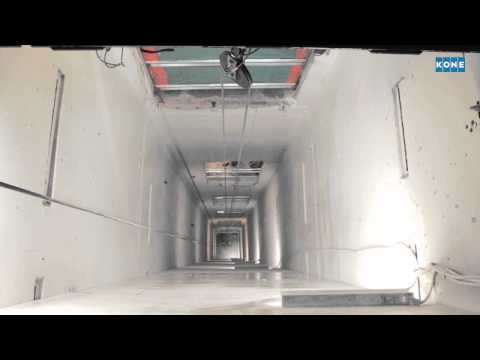
Training staff on new equipment protocols requires scenario-based practice with updated subsystems to prevent performance degradation after the overhaul.
What Does Elevator Modernization Actually Involve?
Key Components Typically Replaced During an Upgrade
