

The evolution of casinos tracing their history through the ages
Origins of Gambling and Early Casinos
The origins of gambling can be traced back thousands of years to ancient civilizations. Evidence of dice games has been found in archaeological sites dating back to around 3000 BC in Mesopotamia. These early games of chance were often associated with religious rituals and social gatherings. Similarly, ancient Chinese artifacts indicate the use of gambling games, which were embedded in their culture. As societies evolved, so did the desire for games that involved risk and reward, paving the way for the early forms of casinos.
In the 16th century, the modern concept of casinos began to take shape in Italy with the establishment of “ridotti.” These private gambling houses catered to the elite and offered a variety of games, including card games and dice. The popularity of these establishments spread throughout Europe, laying the groundwork for the casino culture we recognize today. By the end of the century, gambling had become a sophisticated pastime, leading to the emergence of dedicated venues focused on gaming and entertainment.
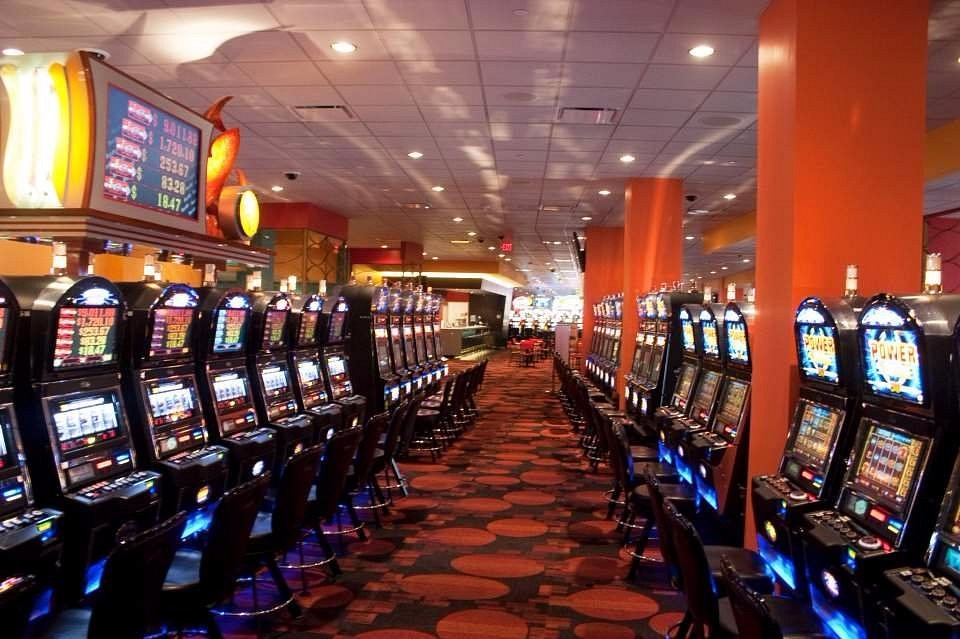
As the 17th century approached, France introduced the term “casino,” which originally referred to a small country villa or summerhouse. It quickly became synonymous with gambling establishments. The first official casino, the Casino di Venezia, opened its doors in Venice in 1638. This marked a significant turning point in the evolution of gambling, as casinos began to become public spaces where individuals could engage in games without the restrictions that had previously existed.
The Rise of Casino Culture in the 19th Century
The 19th century saw an explosive growth in the casino industry, particularly in Europe and the Americas. The establishment of casinos in major cities, including Monte Carlo and Baden-Baden, attracted wealthy patrons and created a luxurious atmosphere that drew in players from all walks of life. These venues not only offered games of chance but also provided dining, music, and entertainment, making them popular social hubs. The allure of high-stakes gambling became synonymous with glamour and prestige during this period.
In the United States, the Gold Rush of the mid-1800s led to the emergence of casinos in places like Nevada. The legalization of gambling in Nevada in 1931 was a pivotal moment that enabled the construction of grand resorts like The Flamingo and The Sands. These establishments combined hotel accommodations with extensive gaming facilities, thus cementing Las Vegas as the gambling capital of the world. The unique culture and atmosphere of Las Vegas attracted not just gamblers but also tourists seeking entertainment.
Throughout the 19th century, the establishment of gaming regulations also began to take shape. Governments recognized the need to control and tax gambling activities, leading to the development of frameworks that governed casino operations. This regulatory framework provided legitimacy to casinos, which were previously seen as risky ventures. The marriage of legality and luxury fostered a burgeoning casino culture that would flourish into the 20th century.
The Technological Revolution and Modernization of Casinos
The late 20th and early 21st centuries witnessed a technological revolution that transformed the casino industry. The advent of digital technology gave rise to online gambling, allowing players to enjoy casino games from the comfort of their homes. This trend exploded in popularity, leading to the establishment of numerous online casinos. The convenience of accessing games anytime and anywhere made online gambling a significant competitor to traditional brick-and-mortar establishments.
Furthermore, the integration of technology into physical casinos has enhanced the gaming experience significantly. Innovations such as electronic gaming machines, virtual reality, and mobile gaming applications have created immersive environments that attract a younger demographic. Casinos now utilize advanced data analytics to understand player behavior, enabling them to tailor their offerings and promotions for maximum engagement. This modernization has redefined the landscape of gambling, making it more accessible and appealing to a broader audience.
Additionally, casinos began to focus on creating multifaceted entertainment complexes that included shopping, dining, and live shows. This shift aimed to provide a comprehensive experience for visitors, turning casinos into destinations rather than just gambling hubs. The expansion of integrated resorts has blurred the lines between leisure and gaming, further solidifying the casino’s role in contemporary society. The focus on entertainment value has proven to be a successful strategy in attracting not just gamblers, but families and tourists alike.
The Global Influence of Casinos and Cultural Variations
As casinos evolved, their cultural significance also shifted across different regions. In places like Macau, the gambling industry has surpassed that of Las Vegas, establishing itself as the world’s largest gambling market. The integration of Chinese cultural elements, including traditional architecture and cuisine, has made Macau a unique destination for gamblers. The region’s approach to gaming emphasizes luxury and socializing, reflecting its cultural values and consumer preferences.
In contrast, many countries have stringent regulations concerning gambling, often reflecting societal norms and historical contexts. For example, in some parts of Asia, gambling is associated with negative connotations and is heavily restricted. Yet, the burgeoning popularity of online casinos is gradually changing perceptions, leading to discussions around potential legalization and regulation. This dynamic illustrates how cultural attitudes towards gambling are constantly evolving in a globalized world.
The influence of casinos extends beyond mere gaming; they often play a significant role in local economies. In regions where casinos are legalized, they can provide jobs, boost tourism, and stimulate economic growth. The revenue generated by casinos often contributes to public services and infrastructure development, making them an essential component of many economies. As such, the global landscape of casinos showcases a rich tapestry of cultural, economic, and social influences that continue to shape the industry today.
Exploring MythosWin and the Future of Casinos
As the casino industry continues to evolve, platforms like exemplify the future of online gambling. With a focus on innovation and user engagement, aims to provide an unparalleled gaming experience that resonates with modern players. By leveraging cutting-edge technology and data analytics, the platform offers personalized gaming options, ensuring that players find what suits them best.
The future of casinos, both online and offline, is likely to be characterized by continued technological integration, including the rise of cryptocurrencies and blockchain technology. These advancements promise to create more secure and transparent gaming environments, appealing to an increasingly tech-savvy audience. Furthermore, as consumer preferences shift, the emphasis will likely be on creating immersive experiences that extend beyond traditional gambling.
is committed to adapting to these changes and addressing the diverse needs of its users. By fostering a community-oriented approach and prioritizing responsible gaming, aspires to set a new standard for the casino industry. As we look forward to the future, it is evident that the evolution of casinos will continue to reflect broader societal changes, integrating entertainment, technology, and culture in exciting new ways.